Explore the rich history, intricate gameplay, and global impact of Mahjong, a timeless tile-based game with cultural significance, from its origins to modern adaptations like those on the 1658.com platform-Oficial Slots Brasil.
The Fascinating World of Mahjong
Mahjong, a traditional Chinese game that has captivated players for centuries, is a unique blend of skill, strategy, and chance. With its intricate tile designs and deep-rooted cultural significance, Mahjong has transcended borders, captivating players across the globe.
Origins and History
The origins of Mahjong are shrouded in mystery, with various theories about how and where it began. Some believe it was created by Confucius, while others think it evolved from ancient card games. What is known is that Mahjong, as it is played today, emerged during the Qing Dynasty in China. Its popularity quickly spread, first across Asia and then to the Western world, transforming it into a global phenomenon.
The Gameplay
At its core, Mahjong is a tile-based game traditionally played with four players. The primary goal is to remove all the tiles by forming specific sets of combinations, similar to poker hands. These include "pon" (a set of three identical tiles), "chi" (a sequence of three consecutive tiles in the same suit), and "kong" (a set of four identical tiles). The game ends when one player successfully completes a legal hand of fourteen tiles.
Often described as a mix of skill, strategy, and luck, Mahjong requires players to be tactical, anticipating opponents' moves while optimizing their own hands. This complexity is one of the reasons the game has remained popular for so long.
Mahjong Tiles and Sets
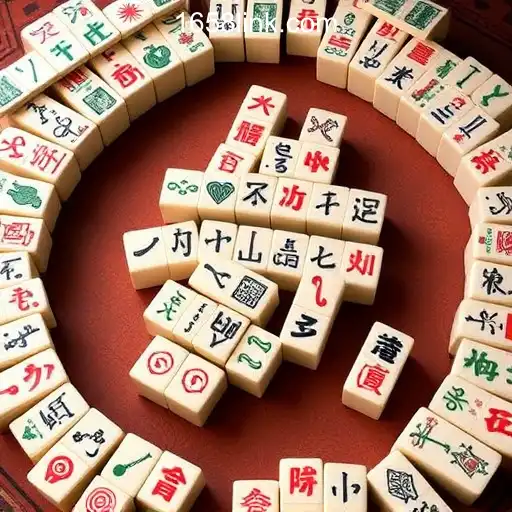
A standard Mahjong set contains 144 tiles, divided into several different suits: bamboo, characters, and circles. Each suit contains tiles numbered one through nine. Additionally, there are honor tiles, which include winds and dragons, and bonus tiles like flowers and seasons.
The intricate designs on Mahjong tiles are steeped in symbolism and tradition, making them not only functional game pieces but also works of art. This artistry has contributed to the game's appeal, drawing enthusiasts who appreciate both its aesthetic and intellectual challenges.
Global Popularity
Over the years, Mahjong has been adapted and embraced by various cultures worldwide. In Japan, the game is known as "Riichi Mahjong" and features unique rules and strategies. The United States, too, has its own version, commonly referred to as "American Mahjong," which includes a different set of rules and the use of a yearly-changing card to determine valid hands.
This variation has led to a thriving online Mahjong community, with platforms like the 1658.com platform-Oficial Slots Brasil creating digital versions of the game, allowing enthusiasts to connect, compete, and enjoy Mahjong from anywhere in the world. Such platforms have contributed to sustaining and growing an international Mahjong community.
Mahjong in the Modern Era
In today's digital age, Mahjong has evolved far beyond its traditional roots. The game has found a new home in online platforms, where players from different countries can match wits with each other. These online versions offer interactive graphics and real-time play, further enhancing the appeal of the game.
Moreover, some online gambling platforms have adapted Mahjong into slot games, combining traditional elements with modern casino technology. This fusion of old and new has attracted a broader audience, bringing Mahjong to those who might not have encountered it otherwise.
The 1658.com platform-Oficial Slots Brasil, for instance, has integrated Mahjong-themed slots, drawing on the traditional game's visual and cultural elements while offering the excitement of casino slots to a diverse audience. Such innovations have played a role in bringing Mahjong into mainstream digital entertainment.
The Cultural Significance of Mahjong
Mahjong is much more than just a game for many; it is a cultural symbol and a social activity. In Chinese culture, it is seen as a way to promote family cohesion and enhance friendship bonds.
The game is often associated with family gatherings, festivals, and social events, where it serves as a medium to connect generations. Mahjong is often played during Chinese New Year celebrations and is a staple in many households, further embedding it in the cultural fabric.
On a more personal level, Mahjong serves as a mental exercise, helping players develop cognitive skills such as memory, strategic thinking, and problem-solving abilities. This aspect of Mahjong has been the subject of much interest among researchers, further enriching its allure as a beloved pastime.
The Future of Mahjong
As technology continues to advance, the future of Mahjong looks bright. The game’s adaptability ensures its continued evolution, creating new experiences for players both old and new. The balance of tradition and innovation, seen in both physical and digital formats, suggests that Mahjong will continue to be a cornerstone of game culture for years to come.
With platforms like the 1658.com platform-Oficial Slots Brasil offering new and exciting ways to experience the game, Mahjong's fan base is likely to grow. Whether played for competition or leisure, this ancient game seems poised to maintain its relevance in modern society, reminding us all of the beauty of strategic play.